Sizewell C Called a ‘Terrible Deal’ for Taxpayers as MPs Warn Costs Could Hit £48bn

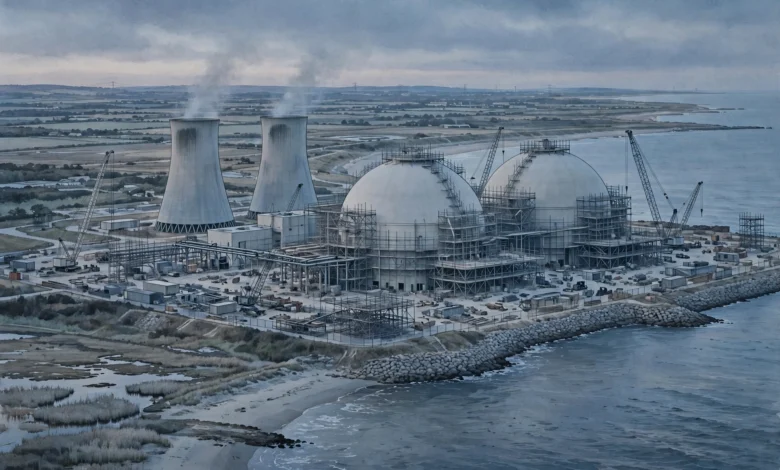
The Sizewell C taxpayer deal came under fierce attack on Wednesday, 28 October 2026, when MPs on the House of Commons Public Accounts Committee (PAC) called the Suffolk nuclear plant’s financing a terrible deal for the UK taxpayer. The committee warned that the cost of the Sizewell C reactor could spiral to almost £48 billion, leaving billpayers to carry billions more in extra costs over the plant’s lifetime.
In its report, published on 28 October 2026, the committee said successive governments’ failure to deliver new nuclear power had left Britain accepting terms under which consumers and taxpayers shoulder significant financial risk while private investors enjoy protected profits. Sizewell C represents a terrible deal for the UK taxpayer, the report’s first line says, according to coverage of the document.
Sizewell C at a glance
| Location | Suffolk coast, England |
| Capacity | 3.2GW, enough for around six million homes |
| Operating life | About 60 years |
| Headline go-ahead cost | £38 billion |
| Government cost estimate range | £40.5 billion to £47.7 billion |
| Upper cost warned of by MPs | Almost £48 billion |
| Government stake | 44.9% |
| Report published | 28 October 2026, House of Commons Public Accounts Committee |
Why the Sizewell C taxpayer deal alarms MPs
The committee’s central complaint is about who pays when costs rise. It calculated that if construction costs reach £47.7 billion, at the top of the government’s estimated range, consumers could pay £9.8 billion more during construction and a further £12 billion over Sizewell C’s 60-year operating life. Private investors, by contrast, would need to put in only an extra £30 million, the committee said.
That asymmetry is why the committee described the risk borne by taxpayers and consumers as extraordinary. Its chair, Sir Geoffrey Clifton-Brown, said: The high level of risk borne by taxpayers and consumers for the construction of Sizewell C is extraordinary. Private investors look set for significant returns on their investments, while customers are likely to be saddled with higher energy bills.
The MPs also warned that no comparable nuclear power station anywhere in the world has been built on time and on budget. Projects using the same reactor design have experienced delays of up to 14 years and substantial cost overruns, the committee noted, casting doubt on the argument that copying the design from Hinkley Point C in Somerset will keep Sizewell C on track.
What billpayers could face if costs hit £47.7bn
| Extra during construction — Consumers | £9.8 billion |
| Extra over 60-year operating life — Consumers | a further £12 billion |
| Combined consumer exposure | Almost £22 billion |
| Extra from private investors | £30 million |
| Taxpayer liability | Shortfalls in decommissioning funding, per the report |
How the Sizewell C financing splits the risk
Sizewell C is being delivered under the regulated asset base model, which requires customers to pay a fee added to their energy bills during the construction phase and to share the risk of cost rises with investors. That differs from Hinkley Point C, where developers finance construction and a contract for difference supports electricity revenues once the Somerset plant generates power.
The financing arrangements were approved by ministers in July 2025, with the government taking a 44.9 per cent stake alongside EDF, Centrica, La Caisse and Amber Infrastructure. Reported stakes are EDF 12.5 per cent, Centrica 15 per cent, La Caisse 20 per cent and Amber Infrastructure 7.6 per cent. The government acquired its larger-than-expected stake after buying out Chinese state nuclear developer CGN on national security grounds, according to reporting of the deal.
The National Wealth Fund is providing most of the project’s debt finance, alongside loans from commercial banks. The committee has called for six-monthly reports on Sizewell C’s costs, construction progress and forecast investor returns, so Parliament can track whether the deal improves or deteriorates.
The MPs also pointed to Britain’s recent record on major projects. Hinkley Point C, the sister plant in Somerset, is running five to seven years late, with costs more than doubling to as much as £48 billion, according to reporting of the committee’s findings. The committee argued that the history of the Sizewell C deal risks being one of missed opportunities, including not testing whether a better, cheaper design was available elsewhere.
What ministers say in defence of Sizewell C
The government rejected the committee’s verdict. A Department for Energy Security and Net Zero spokesperson said the report completely ignores that investors are incentivized to complete construction as cheaply and quickly as possible through the terms of the deal.
Ministers argue the plant is essential for moving Britain off expensive fossil fuels and onto clean, homegrown energy. Once operational, Sizewell C could save £2 billion a year across the energy system, cutting costs for families, the government said, adding that the project is already making good progress with over 2,000 workers on site.
That defence was delivered on the same day Chancellor John Healey presented the UK Budget 2026, in which he said the government would only build new electricity generation projects that lower bills and can connect to the grid. The budget context sharpens the political question at the heart of the PAC report: whether a project that charges billpayers during construction can still be described as lowering bills in the long run.
What Sizewell C means for household bills and Britain’s energy future
For households, the immediate effect of the regulated asset base model is a construction fee on bills long before the plant generates a single watt. Supporters say that upfront charge is the price of reliable, low-carbon electricity for six million homes over six decades, and of reducing exposure to volatile gas prices. Critics, including campaign groups and academics cited in coverage of the report, argue that abandoning Sizewell C now would prove less expensive than accepting inflated energy bills across 60 years.
The exact start-up date for Sizewell C is not publicly verified in a single consistent figure across the 28 October coverage, with reported windows ranging from the mid-2030s to 2039–2043, so this article does not state one fixed opening year. What is clear is the scale of the bet: a 3.2GW plant, tens of billions in construction costs, and a financing structure that, on the committee’s arithmetic, leaves consumers carrying almost £22 billion of extra cost if the top of the cost range is reached.
The committee’s closing warning was blunt: The UK must never be put in this position again. Whether ministers act on its call for regular public reporting will be the first test of whether that warning changes anything, or whether Sizewell C proceeds exactly as financed.
Frequently asked questions about Sizewell C
What did MPs actually call Sizewell C? MPs on the Public Accounts Committee called the financing a terrible deal for the UK taxpayer in a report published on 28 October 2026.
How much could Sizewell C cost? The plant was given the go-ahead with a headline cost of £38 billion. The government estimates construction costs between £40.5 billion and £47.7 billion, and MPs warned the total could spiral to almost £48 billion.
Why would billpayers pay extra? Under the regulated asset base model, customers pay a fee on bills during construction and share cost-rise risk. If costs hit £47.7 billion, the committee says consumers could pay £9.8 billion more during construction and £12 billion more over the plant’s 60-year life.
What do private investors pay if costs rise? On the committee’s figures, private investors would need to put in only an extra £30 million in the £47.7 billion scenario, while taxpayers also remain liable for shortfalls in decommissioning funding.
What does the government say in response? Ministers say investors are incentivised to build as cheaply and quickly as possible, that Sizewell C could save £2 billion a year once operational, and that over 2,000 workers are already on site.
MYTH CHECK: It is not correct to say taxpayers pay nothing for Sizewell C because private investors are involved. The government holds a 44.9 per cent stake, billpayers fund construction through bills, and taxpayers remain liable for decommissioning shortfalls, according to the committee. It is also not correct to treat £48 billion as the confirmed final cost: that is the upper figure MPs warned costs could reach, not a confirmed outturn.